
Uniform

No Uniform Policy

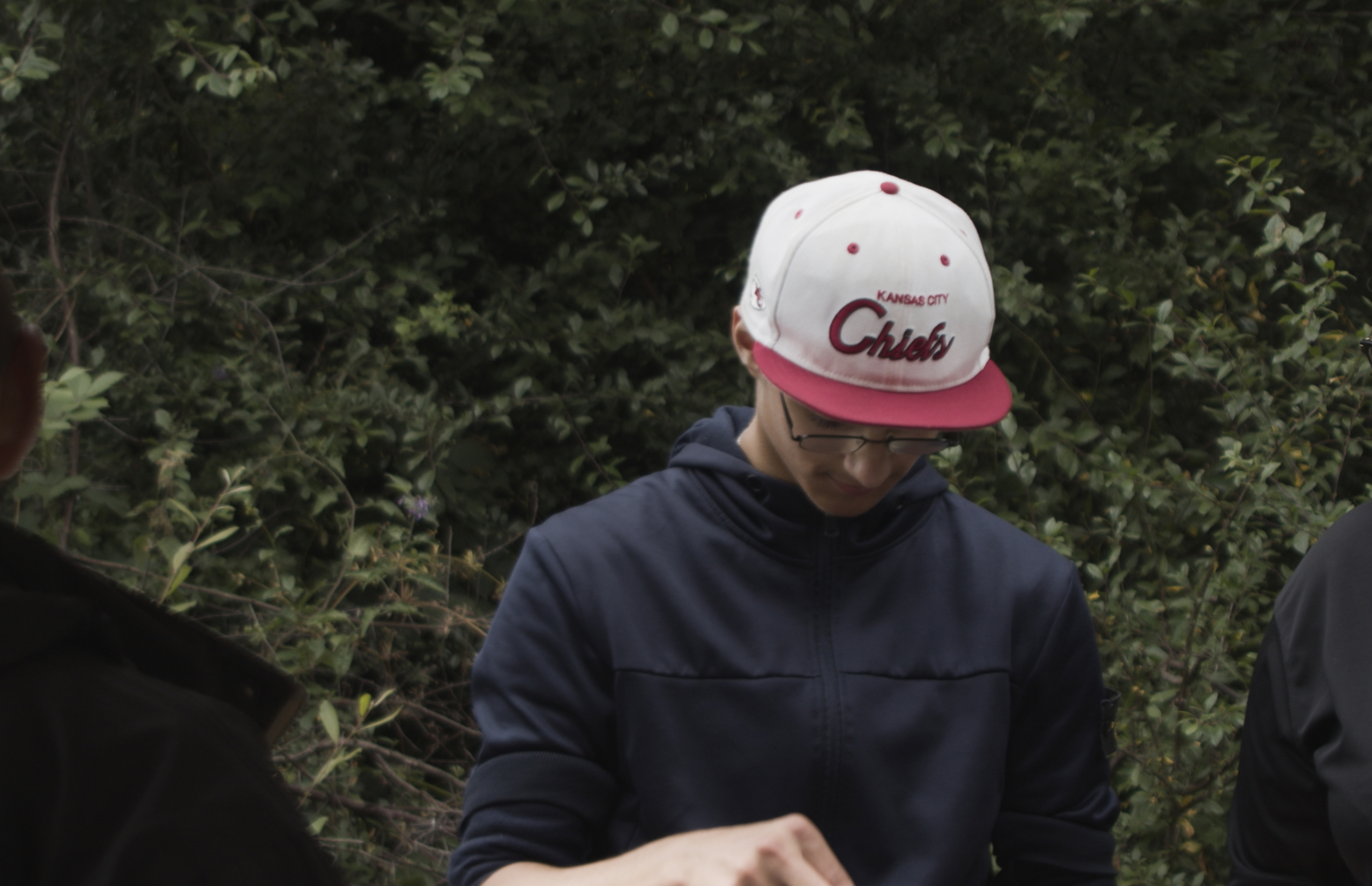
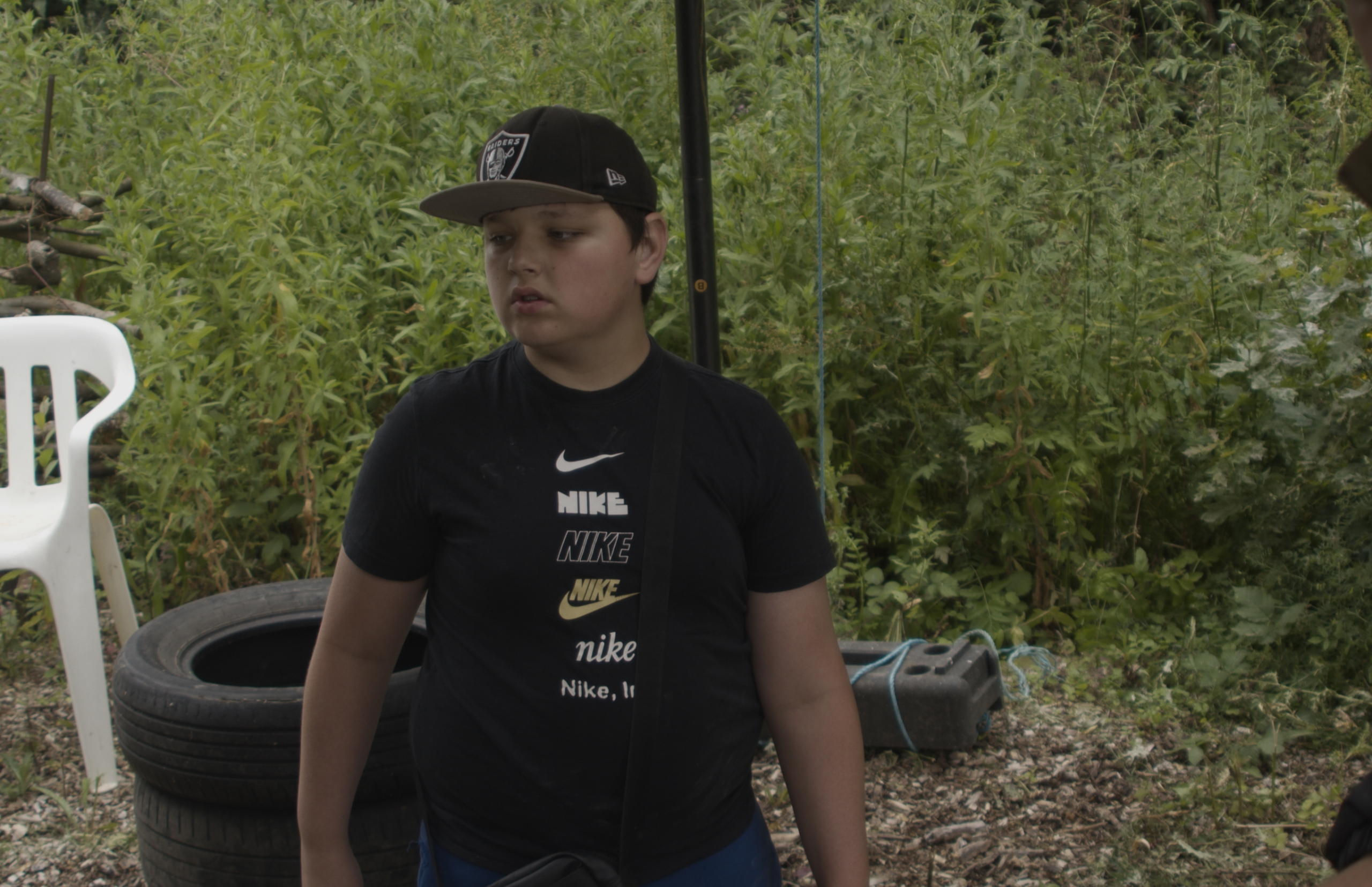
At the Omnia Foundation, students are encouraged to attend as their full self to allow space for expression and the ability to feel as though they are comfortable and in a safe environment. To allow this, we operate a no school uniform policy and encourage students to dress in accordance with their comfort level.  

Reasons why we operate a no school uniform policy: 

Negative Associations and Triggers

Restriction of
Self-Expression

Sensory and Comfort Challenges

Increased Behavioural Conflict

Many SEN students, especially those with autism or sensory processing difficulties, find certain fabrics, seams, collars, or tight clothing extremely uncomfortable or distressing.  Being required to wear uniforms can increase anxiety, distract from learning, and even lead to meltdowns or refusal to attend school. 

Teenagers, particularly those developing their identity and confidence, may feel that uniforms suppress individuality.

For SEMH students who already struggle with self-esteem or belonging, the inability to express themselves through clothing can reinforce feelings of control or restriction.

Some students may associate uniforms with previous negative school experiences (e.g., bullying, exclusion, or trauma).

Wearing a uniform again can evoke distress or resistance, especially if it feels linked ato past environments where they felt misunderstood or unsafe.

Enforcing uniform rules can become a source of unnecessary confrontation between staff and students.

This can damage trust and relationships, shifting focus from emotional support and learning to discipline and compliance.

No Uniform Policy

At the Omnia Foundation, students are encouraged to attend as their full self to allow space for expression and the ability to feel as though they are comfortable and in a safe environment. To allow this, we operate a no school uniform policy and encourage students to dress in accordance with their comfort level.  

Reasons why we operate a no school uniform policy: 

Negative Associations and Triggers

Restriction of Self-Expression

Sensory and Comfort Challenges

Increased Behavioural Conflict

Many SEN students, especially those with autism or sensory processing difficulties, find certain fabrics, seams, collars, or tight clothing extremely uncomfortable or distressing.  Being required to wear uniforms can increase anxiety, distract from learning, and even lead to meltdowns or refusal to attend school. 

Teenagers, particularly those developing their identity and confidence, may feel that uniforms suppress individuality.

For SEMH students who already struggle with self-esteem or belonging, the inability to express themselves through clothing can reinforce feelings of control or restriction.

Some students may associate uniforms with previous negative school experiences (e.g., bullying, exclusion, or trauma).

Wearing a uniform again can evoke distress or resistance, especially if it feels linked ato past environments where they felt misunderstood or unsafe.

Enforcing uniform rules can become a source of unnecessary confrontation between staff and students.

This can damage trust and relationships, shifting focus from emotional support and learning to discipline and compliance.

Impact on Emotional Regulation

Practical and Socioeconomic Issues

Reduced Sense of Autonomy

Misalignment with Therapeutic
Goals

Uniforms can be expensive or hard for some families to replace, especially if students lose or damage clothing frequently.

Financial pressure can add stress for parents and indirectly affect the student’s emotional wellbeing.

Uniforms can be expensive or hard for some families to replace, especially if students lose or damage clothing frequently.

Financial pressure can add stress for parents and indirectly affect the student’s emotional wellbeing.

Many SEN students benefit from feeling a sense of control and independence. Strict uniform policies can undermine this, making them feel powerless or infantilised.

Allowing choice in clothing can help promote responsibility and decision-making skills.

In a therapeutic or nurturing school environment, comfort, safety, and individuality are key to engagement and progress.

Uniform policies can conflict with the school’s focus on emotional wellbeing, inclusion, and personalised approaches.

Impact on Emotional Regulation

Practical and Socioeconomic Issues

Increased Behavioural Conflict

Misalignment with Therapeutic
Goals

Uniforms can be expensive or hard for some families to replace, especially if students lose or damage clothing frequently.

Financial pressure can add stress for parents and indirectly affect the student’s emotional wellbeing.

Uniforms can be expensive or hard for some families to replace, especially if students lose or damage clothing frequently.

Financial pressure can add stress for parents and indirectly affect the student’s emotional wellbeing.

Many SEN students benefit from feeling a sense of control and independence. Strict uniform policies can undermine this, making them feel powerless or infantilised.

Allowing choice in clothing can help promote responsibility and decision-making skills.

In a therapeutic or nurturing school environment, comfort, safety, and individuality are key to engagement and progress.

Uniform policies can conflict with the school’s focus on emotional wellbeing, inclusion, and personalised approaches.

Our ‘Therapy First’ approach will aim to provide:

Bespoke packages designed around each learner’s individual needs.

Manage emotions, anxiety, and change.

Share knowledge on trauma and its impact on behaviour.

Develop positive relationships, social skills, and friendships.

Ensure the wellbeing of both staff and students is supported.